How to start a career in industrial automation
Industrial automation is the work of making machines and plants run with little manual effort, using controllers, sensors, screens and software. If you are a student, an electrician or a working professional wondering where to begin, this guide gives you a clear first picture.
Key takeaways
- What the work involves. Automation engineers and technicians program controllers, build and test control panels, set up monitoring screens, and keep production lines running.
- A common learning path. Many people begin with basic electrical and electronics ideas, then learn PLC programming (often using ladder logic, a visual way of writing control programs), then move to SCADA and HMI for monitoring and control, and later to industrial networks and drives.
- Who can move into automation. Students and fresh graduates, diploma holders, electricians and technicians, and working professionals who want to add control skills all take this route.
- Why hands-on practice matters. Control logic is easiest to understand when you can write a program, run it and see what happens, either on real equipment or a simulator.
- How to choose a course. Ask what topics are covered, how long the course is, what you need to know before starting, how practical sessions work, and what certificate, if any, you receive and who issues it.
What the work involves
Automation engineers and technicians program controllers, build and test control panels, set up monitoring screens, and keep production lines running. The tools you meet most often are PLCs, SCADA and HMI software, drives and industrial sensors.
A common learning path
Many people begin with basic electrical and electronics ideas, then learn PLC programming (often using ladder logic, a visual way of writing control programs), then move to SCADA and HMI for monitoring and control, and later to industrial networks and drives. The exact order differs between courses.
Who can move into automation
Students and fresh graduates, diploma holders, electricians and technicians, and working professionals who want to add control skills all take this route. Course eligibility varies, so check it for the specific course you are considering.
Answer three quick questions and get a suggestion. Free, no sign-up.
Why hands-on practice matters
Control logic is easiest to understand when you can write a program, run it and see what happens, either on real equipment or a simulator. When comparing courses, ask how much of the time is spent practising.
How to choose a course
Ask what topics are covered, how long the course is, what you need to know before starting, how practical sessions work, and what certificate, if any, you receive and who issues it. Ask for these answers in writing and be cautious of guaranteed-job promises.
Not sure where you fit?
Use the free course finder. It takes about 20 seconds and needs no sign-up.
Common questions
Do I need an engineering degree to start learning automation?
Not necessarily. People come from engineering, diploma and electrician backgrounds. What you need depends on the course and the job you want, so ask the training centre about eligibility.
Is PLC programming hard for beginners?
It can be learned step by step. Ladder logic is visual and resembles electrical circuit diagrams, which many beginners find approachable.
What should I learn first: PLC, SCADA or HMI?
Most people start with PLC basics because SCADA and HMI screens display and control what a PLC is doing. If you are unsure, a foundation course or the course finder can guide you.
How long does it take to learn?
It depends on the course and on how much time you can practise. Ask the centre for the duration of the specific course rather than relying on general numbers.
- Free course guidance
- No obligation
- Reply by call or WhatsApp
Training programmes
Related programmes
 Beginner
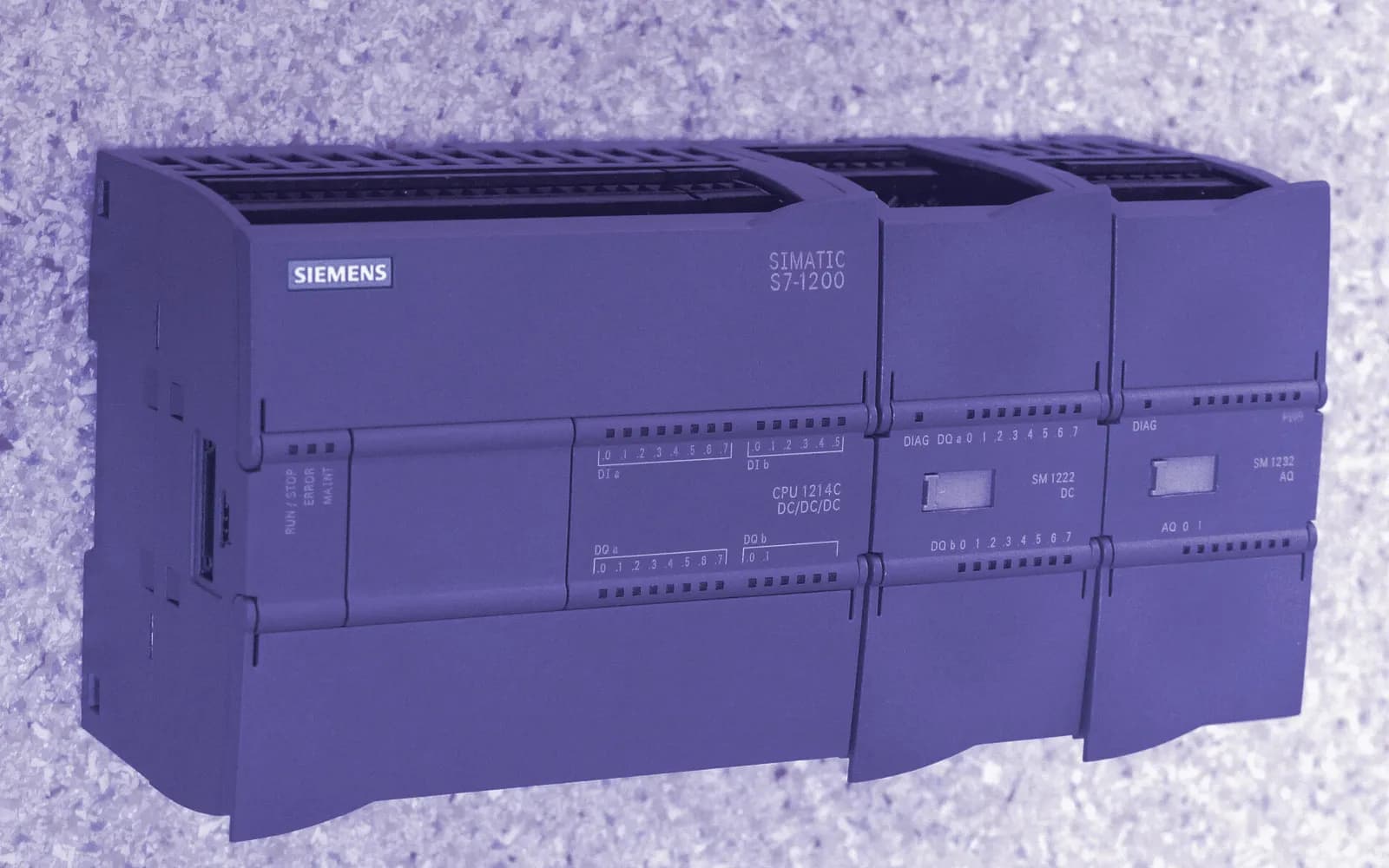
Certified PLC Programmer
Learn to program the controllers that run industrial machines, with practical skills in PLC logic, industrial I/O, programme testing and troubleshooting.
 Beginner
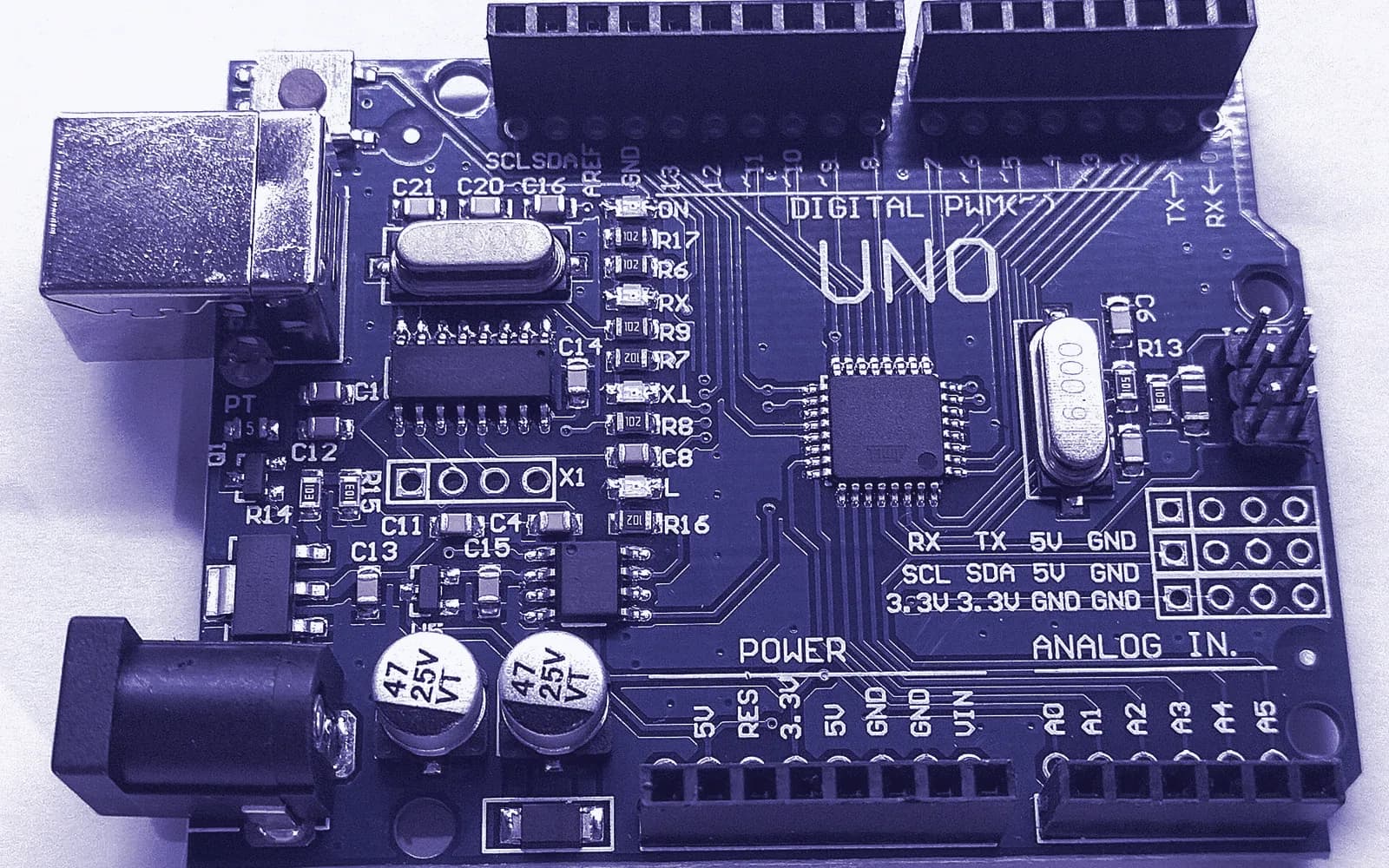
Certified Embedded System Developer
Explore how electronic hardware and software work together to power intelligent devices, microcontroller-based systems and embedded applications.
 Beginner
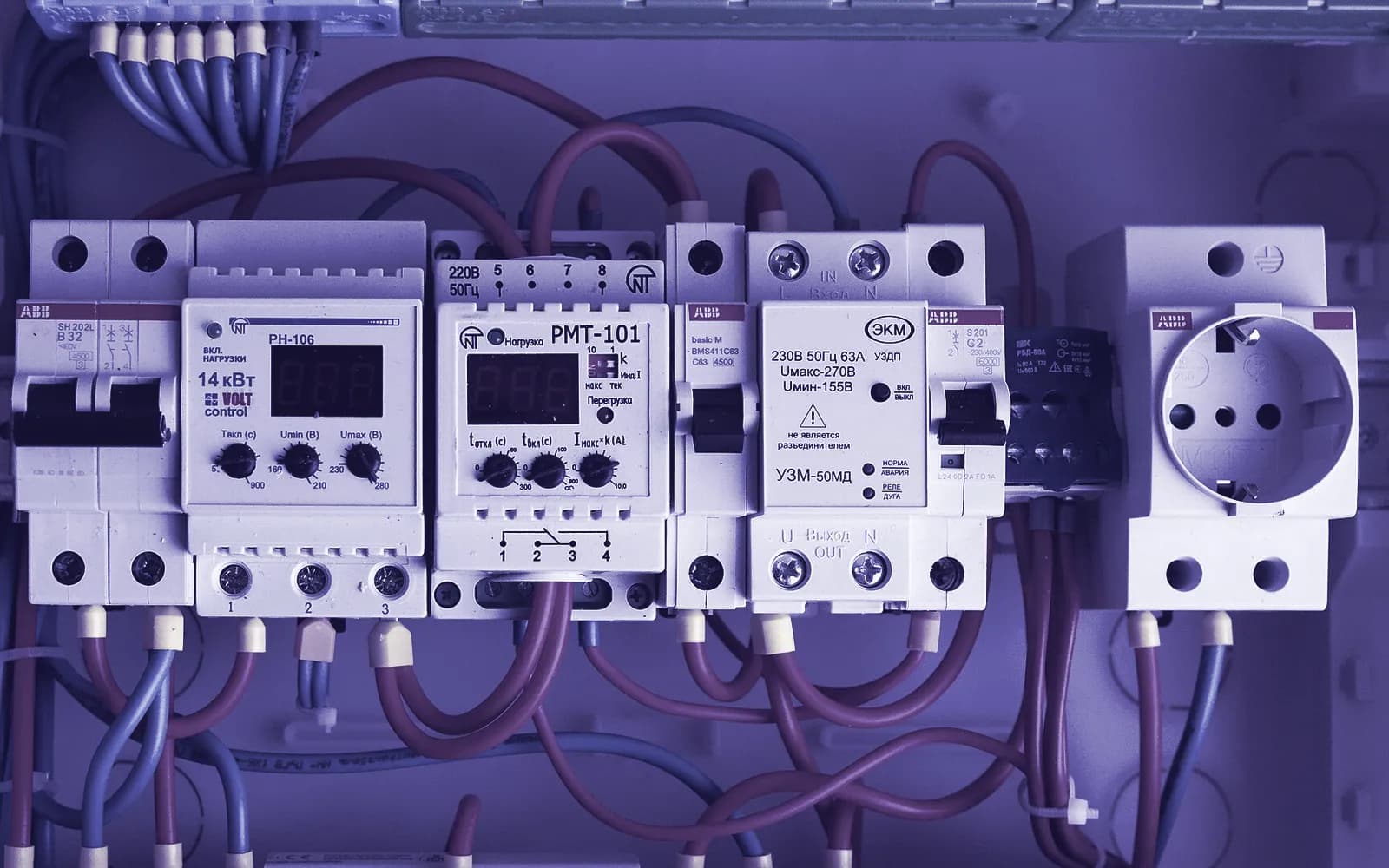
Diploma in Industrial Electrician
Develop practical industrial electrical skills, from wiring and motors to switchgear, control panels, electrical safety and industrial maintenance.